
In the high-stakes, 24/7 world of UK casino resorts, the wellbeing of the staff who keep the lights on is often the last card to be played. Behind the buzz of the gaming floor and the glamour of the hospitality suites lies a workforce facing a unique confluence of pressures. For operators in cities like London, Birmingham, and Manchester, where large casino resort operations employ thousands, investing in comprehensive staff wellbeing is no longer a luxury—it’s a strategic imperative for operational resilience, exceptional guest service, and ethical employer practice.
The Unique Pressures on the UK Casino Hospitality Workforce
The UK casino and hospitality environment presents a distinct set of challenges that can take a significant toll on employee health. Staff navigate anti-social hours, the intense scrutiny of a highly regulated industry, and the constant demand for impeccable customer service in a setting that can be emotionally charged. Operators like Grosvenor Casinos, part of the Rank Group with over 50 venues nationwide, manage thousands of hospitality and security personnel who are on the frontline of these pressures daily. Furthermore, the regulatory environment overseen by the UK Gambling Commission mandates licensee responsibilities for protecting vulnerable individuals, a remit that increasingly extends to encompass staff welfare considerations in this unique workplace.
Mental Load and Emotional Labour
Employees are required to maintain a consistently positive and professional demeanour, regardless of customer behaviour or personal stress. This emotional labour—managing one’s own feelings to influence the emotional state of others—is immense. Staff may deal with guests experiencing frustration, excitement, or distress, all while adhering to strict protocols around responsible gambling intervention. This constant psychological engagement, without adequate outlets, can lead to burnout, anxiety, and compassion fatigue.
The Physical Toll of Shift Work
The industry’s reliance on round-the-clock operations means irregular, late-night, and weekend shifts are the norm. This disrupts circadian rhythms, impacts sleep quality, and can hinder social and family life. The physical demands are also considerable: long hours on one’s feet on the casino floor or in hospitality areas, repetitive motions, and the need for constant vigilance. Over time, this can contribute to a range of health issues, from musculoskeletal disorders to chronic fatigue and weakened immune function.
Core Pillars of an Effective Staff Wellbeing Programme
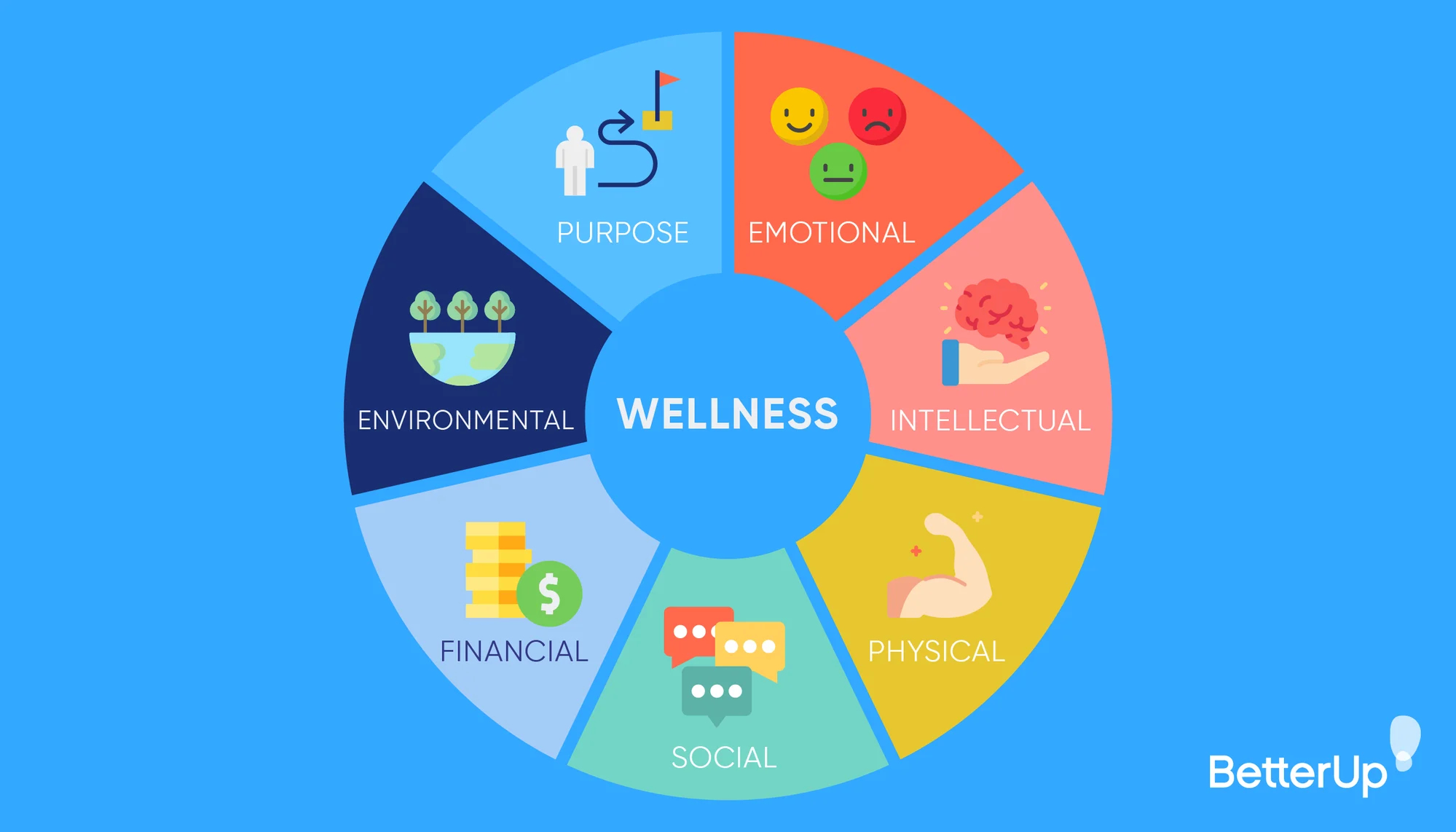
Moving beyond tokenistic gestures like fruit bowls, a meaningful wellbeing strategy must be structured, accessible, and holistic. It should address the mind, body, and circumstances of the employee, creating a supportive framework that fosters resilience. An effective programme is built on several core pillars that directly counteract the industry’s specific stressors.
Mental Health First Aid and Counselling Access
Proactive mental health support is non-negotiable. This includes training staff, particularly team leaders and managers, as Mental Health First Aiders. Organisations like MHFA England offer tailored Mental Health First Aid training for the hospitality sector, equipping individuals to spot signs of distress, offer initial help, and guide a colleague towards professional support. Crucially, this must be backed by confidential, easily accessible counselling services, typically through an Employee Assistance Programme (EAP), providing a safe space for staff to seek help without stigma.
Financial and Legal Wellbeing Support
Financial stress is a major contributor to poor mental health. The hospitality sector can feature fluctuating incomes, and staff may lack confidence in financial planning. Providing access to impartial financial education, debt management advice, and legal support services can alleviate a significant hidden burden. This not only aids the individual but can reduce presenteeism and improve focus at work.
Physical Health: From Ergonomics to Gym Partnerships
Addressing physical strain requires a two-pronged approach: prevention and promotion.
- Prevention: Investing in ergonomic workplace assessments for key roles, providing high-quality, supportive footwear for floor staff, and ensuring adequate break schedules.
- Promotion: Initiatives like subsidised gym memberships, on-site fitness classes (e.g., yoga or pilates before or after shifts), partnerships with local health clubs, and providing healthy meal options for staff can empower employees to take charge of their physical health.
Case Studies: Wellness in Action at British Resorts
Across the UK, forward-thinking operators are putting these pillars into practice, demonstrating that wellbeing programmes can be scaled to fit both large corporate groups and independent venues.
Large-Scale Operator Programmes
Major players like Genting UK have long integrated comprehensive Employee Assistance Programmes (EAPs) into their benefits packages, offering 24/7 counselling, legal, and financial advice lines. These large-scale programmes often include structured mental health awareness campaigns, leadership training on wellbeing, and internal networks of wellbeing champions to drive engagement and cultural change from within the workforce.
Boutique Hotel and Casino Initiatives
Smaller, independent casino hotels in cities like Manchester or Birmingham often excel at creating a close-knit, community-focused wellbeing culture. Initiatives might include:
- Flexible shift-swapping apps to improve work-life balance.
- Regular, company-funded team social activities that are not alcohol-centric.
- On-site mindfulness or meditation sessions during quiet periods.
- Direct partnerships with local healthcare providers for quick-access physiotherapy or health screenings.
Bridging the Gap: Healthcare Nursing Insights for Hospitality
The challenges of shift work, emotional labour, and burnout are not unique to hospitality; they are daily realities for the UK’s nursing and care home staff. The healthcare sector has developed robust frameworks from which the hospitality industry can learn valuable lessons.
Learning from NHS Workforce Frameworks
The NHS People Plan includes specific, evidence-based frameworks for workforce wellbeing that can serve as an excellent model. These emphasise a systemic approach, focusing on leadership accountability, creating psychologically safe environments, and embedding wellbeing into all operational processes. Hospitality HR teams can adapt these principles, shifting from viewing wellbeing as an add-on benefit to seeing it as a core operational standard, much like health and safety.
Preventative Care and Early Intervention
In nursing, the emphasis is on preventing crisis through early observation and intervention. This clinical insight is directly transferable. Training managers to have regular, supportive wellbeing conversations (not just performance reviews), using validated tools to anonymously gauge staff morale, and creating clear, stigma-free pathways to support are all preventative strategies borrowed from healthcare that can stop small issues from escalating into serious health absences.
Implementing and Promoting Your Wellbeing Strategy
A perfect programme on paper is worthless without high engagement. Implementation requires careful planning, persistent communication, and a commitment to listening to staff feedback.
Creating a Culture of Openness
Leadership must visibly champion and participate in wellbeing initiatives. Appointing and training well-respected staff as Wellbeing Champions can help bridge the gap between management and floor staff, promoting uptake through peer networks. Storytelling—where leaders or colleagues share their own experiences with mental health or stress—can be a powerful tool to destigmatise seeking help.
Measuring Impact and Feedback Loops
To ensure sustainability, programmes must demonstrate value. Key metrics to track include:
- Utilisation rates of EAPs and other support services (while maintaining confidentiality).
- Staff turnover and absenteeism rates.
- Results from regular, anonymous staff wellbeing surveys.
- Feedback from Wellbeing Champion forums and focus groups.
This data creates a feedback loop, allowing the strategy to evolve based on what staff actually need and use, ensuring resources are effectively allocated.
Ultimately, investing in the holistic wellbeing of casino and hospitality staff isn’t just ethical; it’s a critical business strategy for sustainability and excellence in the UK’s competitive resort sector. It safeguards the most valuable asset—the people who deliver the experience—leading to a more engaged, resilient, and high-performing workforce.